



SIERRA LEONE TO ROLL OUT HEPATITIS B BIRTH-DOSE VACCINE TO PREVENT MOTHER-TO-CHILD TRANSMISSION
By Marion P. George
The Government of Sierra Leone, through the Ministry of Health and its Expanded Programme on Immunization (EPI), is set to introduce the Hepatitis B birth-dose vaccine on November 20, 2026, in a major step towards preventing mother-to-child transmission of the virus and reducing the country’s high Hepatitis B burden.
The national rollout is expected to protect approximately 360,000 newborns annually, with health authorities targeting the administration of the vaccine within the first 24 hours after birth, when protection against early infection is most critical.
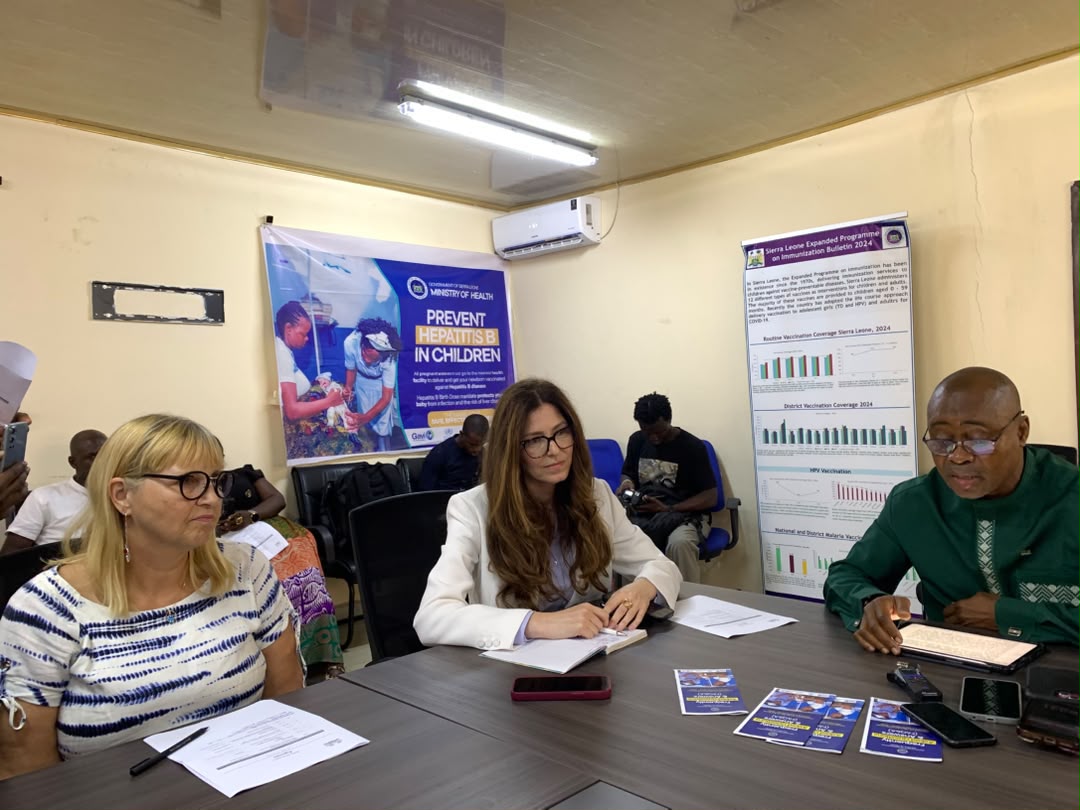
The initiative comes amid growing concerns over the prevalence of Hepatitis B in Sierra Leone. According to figures presented by the Ministry of Health, the country has a national prevalence rate of 13.8 per cent, meaning approximately 1.1 million people are living with the infection. Five of the country’s 16 districts account for 50 per cent of the national disease burden, while adults aged between 30 and 44 record the highest positivity rate of 16.6 per cent.
Speaking at the announcement of the rollout, Deputy Minister of Health II, Dr. Charles Senesie, described the introduction of the vaccine as a historic milestone in the country’s efforts to strengthen healthcare delivery and protect future generations.
He said the initiative reflects the government’s commitment, under President Julius Maada Bio and Health Minister Dr. Austin Demby, to addressing major public health challenges through preventive healthcare interventions.
“When you know a problem, you have 50 per cent of the solution,” Dr. Senesie stated, highlighting the importance of identifying public health challenges and implementing targeted interventions.
He disclosed that the government had invested in strengthening the country’s immunisation infrastructure, including the installation of battery-free, solar-powered cold-chain systems across the country to ensure vaccines are properly stored and distributed.
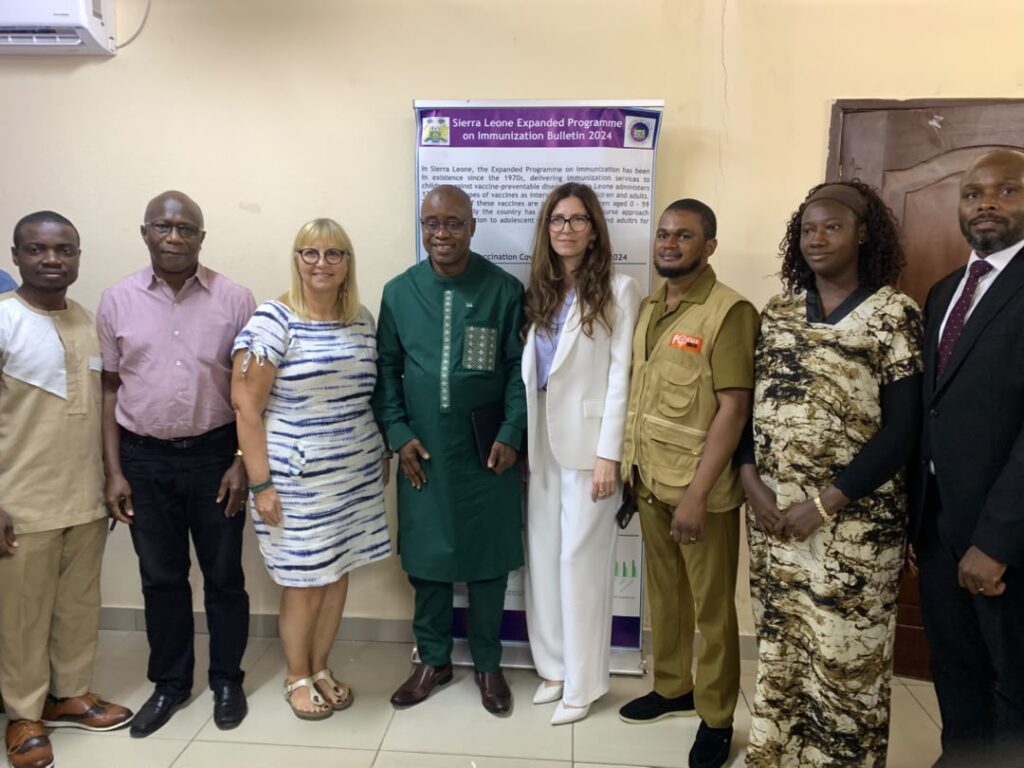
The rollout is being supported by a national government contribution of US$60,000, alongside a financial commitment of more than US$240,000 from Gavi, the Vaccine Alliance. The funding will support the procurement and delivery of more than half a million vaccine doses.
Dr. Senesie also linked the intervention to the government’s ongoing 300 Days of Activism campaign, which he said has contributed to efforts to reduce maternal and child mortality.
Meanwhile, the Programme Manager of the Expanded Programme on Immunization at the Ministry of Health, Dr. Desmond Maada Kambia, explained that although Sierra Leone already administers the pentavalent vaccine to infants at six, 10 and 14 weeks, the country has continued to experience Hepatitis B infections because transmission from mothers to children during childbirth has not been adequately addressed.
He said introducing the birth-dose vaccine into the routine immunisation programme would close an important gap in the country’s vaccination strategy by providing newborns with protection within the first 24 hours of life.
According to Dr. Kambia, the vaccine will be integrated into existing newborn immunisation services, alongside the Bacillus Calmette-Guérin (BCG) and oral polio vaccines (OPV0). The programme will also extend to tertiary health facilities, including the Princess Christian Maternity Hospital (PCMH), to improve access for newborns delivered in major hospitals.
Senior Country Manager for Gavi, Maria Parkina, said the intervention would play a critical role in preventing Hepatitis B-related complications, including liver cancer, later in life.
She highlighted Gavi’s support towards vaccine procurement and operational costs, describing the introduction of the birth dose as an important investment in maternal and newborn healthcare.
UNICEF Deputy Representative, Cae Elin Indreiten, said Sierra Leone was well positioned to achieve the programme’s objectives, noting that more than 90 per cent of children are delivered in health facilities.
She explained that the high rate of institutional deliveries provides an important opportunity for health workers to administer the vaccine within the recommended 24-hour period.
Indreiten added that UNICEF would continue supporting the government through vaccine procurement and the strengthening of supply-chain systems to ensure consistent availability across health facilities.
For its part, the World Health Organization (WHO), through its Immunization Lead, Dr. Thompson Igbu, reaffirmed the organisation’s commitment to supporting the national rollout.
He said WHO would assist with training and supervision of health workers, developing policy guidelines and monitoring immunisation data to ensure the programme meets international standards.
Beyond vaccine delivery, the Ministry of Health said it was taking steps to strengthen public awareness and build confidence in the new intervention. Officials disclosed that the vaccine had received clearance from the Pharmacy Board of Sierra Leone, while nationwide SMS messages would be circulated through mobile network operators to inform citizens about the rollout.
Health authorities also called on journalists and media organizations to play an active role in educating the public, countering misinformation and communicating accurate information about the safety and importance of the vaccine.
The National Public Health Agency is expected to monitor emerging public concerns and investigate misinformation or rumors that could undermine public confidence in the programme.
With the national launch scheduled for November 20, the introduction of the Hepatitis B birth-dose vaccine represents a significant shift towards early prevention of an infection that continues to affect millions of people in Sierra Leone.
The success of the initiative, however, will depend on timely vaccine administration, adequate supplies, trained health workers and sustained public awareness, particularly in ensuring that newborns receive the vaccine within the first 24 hours after delivery.