
Veteran Sierra Leone Journalist Umaru Fofana Breaks Silence on Media Realities

By Marion George
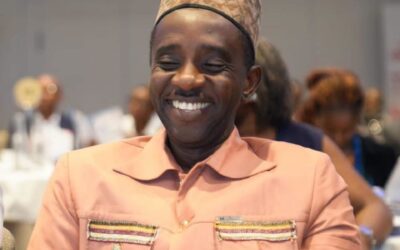
One of Sierra Leone’s most respected journalists, Umaru Fofana, has publicly responded to critics who have accused him of going quiet on key national issues, offering a candid look into the changing dynamics of international journalism and the economic pressures faced by freelance reporters.
In a detailed Facebook post that quickly gained traction, the veteran broadcaster best known for his long-standing work with the BBC rejected claims that his reduced reporting amounts to silence. Instead, he described a media landscape that has shifted dramatically over the years, limiting opportunities for in-depth coverage from countries like Sierra Leone.
“I am not ‘silent’ because I want to,” Fofana wrote. “After 30 years of practice, I am fully aware of my impact.”
Fofana explained that structural changes within the BBC’s African Service significantly altered how stories from the continent are commissioned and broadcast. Programmes such as Focus on Africa, once a flagship platform for live and breaking news, have transitioned into pre-recorded formats with limited editorial space often covering only a handful of topics per episode.
Having resigned as a full-time BBC staff reporter in 2014, Fofana now operates as a freelancer under a “no story, no pay” model. This shift, he said, has made it increasingly difficult to consistently report on Sierra Leone, as pitches must compete with major global developments.
According to him, stories from Sierra Leone now find themselves up against coverage of conflicts and geopolitical tensions in places like Ukraine, Gaza Strip, and Sudan, as well as political developments in the United States and security challenges in Nigeria.
“So far this year, I have pitched nearly a dozen Sierra Leone stories,” he revealed. “Only three were approved.”
Fofana also addressed calls for him to return to social media reporting, a space he once helped pioneer in Sierra Leone. However, he questioned the sustainability of producing content without financial support, especially in a crowded digital environment now dominated by bloggers and vloggers.
“Are those ordering me around expecting me to spend my own money gathering news without earning a cent?” he asked.
Beyond journalism, Fofana disclosed that he has taken on conference facilitation roles to maintain financial stability. He also quietly runs a charity supporting 22 children and young people an effort he says reflects his broader commitment to society, even outside the newsroom.
Despite the criticism, Fofana maintained that his independence remains non-negotiable.
“I will not sit quietly while anyone deliberately lies about me or endangers me,” he stated, adding that he remains committed to the principles that have defined his three-decade career.
He concluded with a direct appeal to the public:
“Please allow me to remain the independent journalist I have been for thirty years.”
Fofana’s remarks have sparked widespread discussion across Sierra Leone’s media and civic space, raising broader questions about the sustainability of journalism, the expectations placed on public figures, and the realities of reporting in an increasingly competitive global news environment.