




Government Hosts Consultative Workshop on Local Court Reforms

The Ministry of Local Government and Community Affairs has convened a national consultative workshop aimed at reviewing the Local Court Act of 2011 and exploring the potential return of Local Court oversight from the Judiciary to the Local Government Ministry.
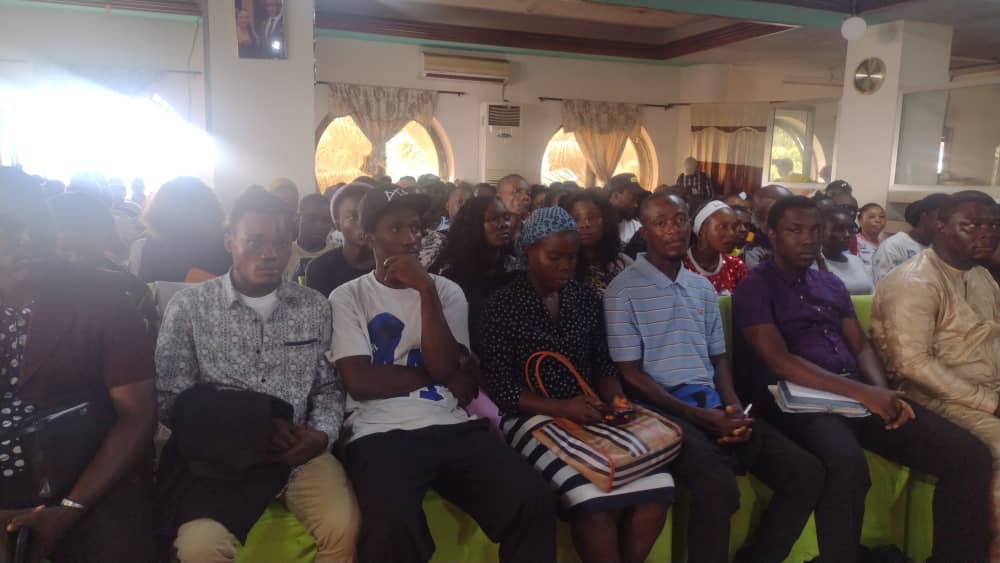
The one-day workshop brought together court users, traditional authorities, government officials, and civil society representatives to deliberate on proposed reforms. It is part of a broader national effort to strengthen local governance and improve justice delivery in rural communities.

Local Courts were first established in 1963 under the supervision of the Ministry of Local Government. However, following recommendations from the Truth and Reconciliation Commission after the 1991–2002 civil war, oversight of the courts was transferred to the Judiciary due to concerns over inefficiency and lack of accountability. More than two decades later, some stakeholders argue that judicial supervision has not resolved longstanding operational challenges.
Brima Newman Combey, Director of Local Government, said the current system is hampered by structural weaknesses. “Court officials are not on salary, while Chiefdom Police are paid by the Ministry of Local Government. This fragmentation undermines the effective functioning of the courts,” he said. Combey called for reforms to address inconsistencies in the Local Court Act and better align it with new legislation and realities on the ground.
Resident Minister for the Northern Province, Hon. Ibrahim Jalloh, emphasized the importance of Local Courts in delivering grassroots justice. “Unlike superior courts, Local Courts are embedded within the communities they serve. We must ensure these courts function effectively,” he said, comparing the reform to previous debates on rural health policies, including the controversial ban on Traditional Birth Attendants.
Lead consultant Flord Davis said the workshop aimed to capture the voices of those most affected by the courts. “We are here to listen to court users, traditional authorities, and community members about what should be included or removed in the revised Act,” he noted.
The steering committee overseeing the process delivered technical presentations on the review and reversion proposal, which were followed by breakout group discussions.
The workshop is part of an ongoing consultation process, with further regional engagements scheduled for the North-West and Western Regions.