



News Analysis: APC Secretary General’s Remand Deepens Political Tensions

By: Osman Marah
The remand of the Secretary General of the All People’s Congress (APC), Lansana Dumbuya, marks a significant moment in Sierra Leone’s evolving political climate. Coming at a time of heightened rivalry between the opposition and the ruling administration, the case carries legal, political, and institutional implications.
One of the most striking aspects of the case is Dumbuya’s reported guilty plea to three counts incitement, insulting conduct, and public insult against the President. A guilty plea at first appearance typically narrows the scope of trial proceedings and may shift the focus toward sentencing rather than prolonged evidentiary hearings.
However, the denial of bail adds complexity. In Sierra Leone, bail is generally discretionary and often granted for non-capital offences unless the court believes public order, flight risk, or interference with justice are at stake. The prosecution’s argument that bail could disrupt public order suggests the State views the matter as politically sensitive rather than purely procedural.
The Magistrate’s decision to deny bail signals a cautious judicial approach, particularly in cases touching on the presidency. It also places the burden on the defence to seek relief at the High Court, which could escalate the matter legally and politically.
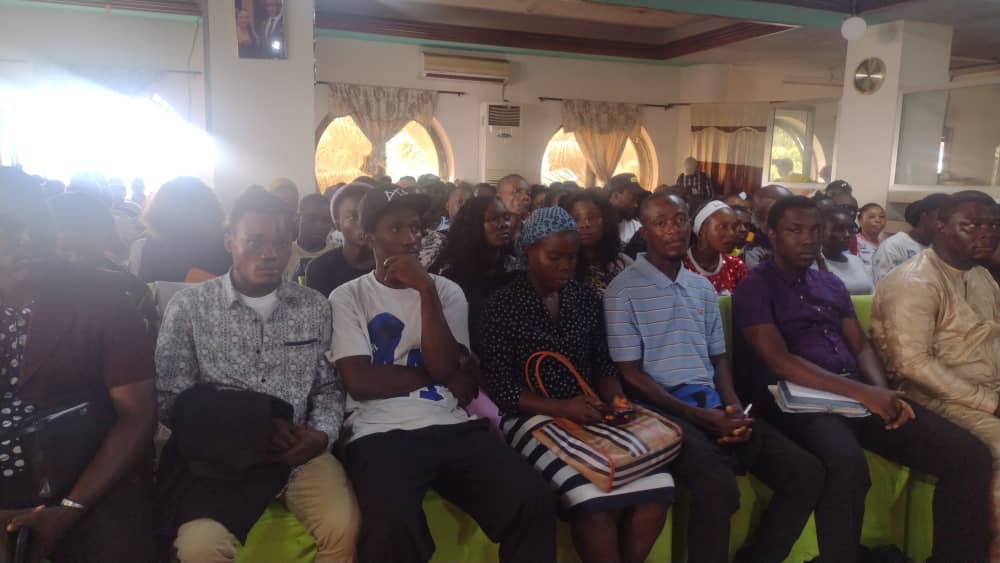
The presence of leading APC figures many seen as potential 2028 flag-bearer aspirants was not merely symbolic. It sent a message of solidarity within the party’s top ranks. In moments of perceived external pressure, opposition parties often consolidate internally, and this case may serve as a rallying point for APC supporters.
By delegating his duties to the Organising Secretary, Dumbuya appears to be ensuring institutional continuity within the party, preventing operational paralysis during on-going lower-level internal elections.
At the heart of the matter is a recurring tension in Sierra Leone’s democracy: where to draw the line between robust political speech and unlawful incitement. The defence has framed the alleged statements as “normal political discourse,” while the State sees potential public order risks.
This case may therefore test how courts interpret speech-related offences in a post-criminal-libel era, particularly when criticism targets the presidency. The outcome could set a precedent for how far opposition politicians can go in their rhetoric without crossing legal boundaries.
Although the next general election is still two years away, the 2028 race is already shaping internal calculations within major parties. The remand of such a high-ranking APC official could energize the party’s base, potentially strengthening narratives of political persecution. Conversely, if the legal process is seen as fair and procedurally sound, it may reinforce confidence in state institutions.
The case also puts the judiciary under scrutiny. Public perception whether of independence or political influence will significantly shape reactions both locally and internationally.
- Whether the defence files an immediate bail application at the High Court.
- The court’s handling of sentencing, given the guilty plea.
- Public reaction and whether tensions remain contained.
- Any political messaging from both APC and the ruling government.
This is more than a routine court matter. It sits at the intersection of law, politics, and democratic expression. How it unfolds will not only affect Lansana Dumbuya’s personal and political future but may also influence the tone of political engagement in Sierra Leone as the country gradually approaches the 2028 electoral cycle.