
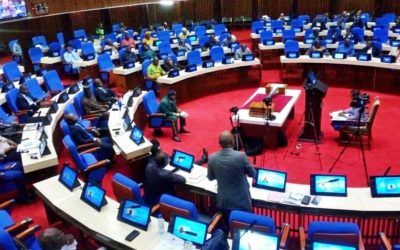





23 dead after Kenyan protesters stormed parliament

On Wednesday, June 26, Kenyans grappled with the aftermath of intense protests that had rocked Nairobi the previous day. Tear gas lingered in the air as military personnel maintained a strong presence on the streets. The unrest erupted after demonstrators stormed parliament in opposition to a proposed tax plan aimed at raising living costs, an act President William Ruto condemned as an “existential” threat.
Reports from a human rights group indicated that at least 22 people lost their lives amidst the chaos. Witnesses described scenes of violence and desperation as clashes between protesters and security forces intensified throughout the capital.
Nairobi, no stranger to protests, now faces heightened tensions following what has been described as the most significant challenge to Kenya’s government in decades. President Ruto labeled the events as “treasonous” and pledged to suppress any further unrest “at whatever cost.” Amid allegations of police gunfire resulting in multiple fatalities on Tuesday, soldiers were deployed alongside law enforcement to restore order.
Further demonstrations are anticipated as Kenyans from diverse backgrounds unite in a youth-led movement to oppose the finance bill’s passage into law. This legislation aims to raise taxes and fees on essential goods and services, ranging from imported eggs to bank transactions, impacting a majority already struggling with financial hardships. The government’s objective is to increase revenue to manage debt in East Africa’s economic hub, but critics argue that it will disproportionately burden ordinary citizens already facing economic hardships exacerbated by the COVID-19 pandemic.
The protests have galvanized a broad coalition of activists, civil society groups, and ordinary citizens who see the proposed tax hikes as a direct threat to their livelihoods. Social media platforms have become rallying points for organizing demonstrations and disseminating information about the impact of the proposed legislation.
As tensions simmer and the government remains steadfast in its commitment to pass the finance bill, the situation in Nairobi and across Kenya remains fluid and highly charged. International observers and human rights organizations have called for restraint and dialogue to prevent further escalation and loss of life in this volatile political climate.