
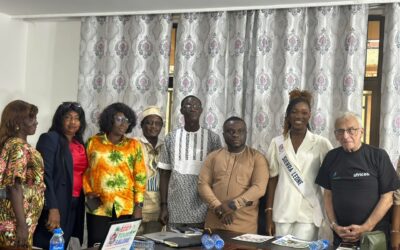
We Only Hear Through Radio

-Hill Station Residents Call for Greater Parliamentary Engagement
By Marion Precious George
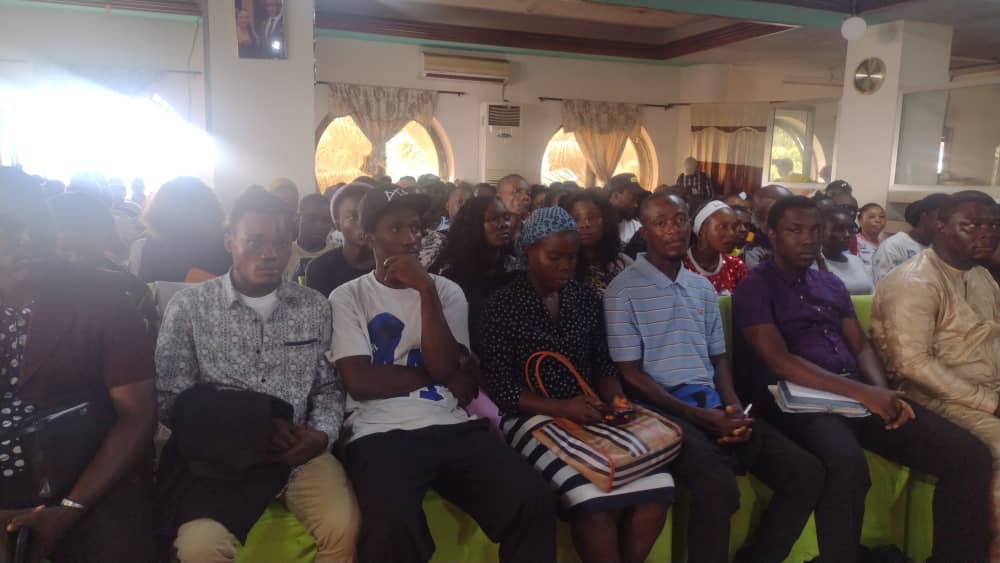
Residents of Hill Station and surrounding hilltop communities in Freetown are calling for stronger engagement from their elected representative, expressing concerns that communication between Parliament and constituents has weakened in recent years.
As Sierra Leone’s Parliament continues to deliberate on important legislation affecting governance, public welfare, women’s rights, child protection, and national security, some residents say they have limited knowledge of laws passed in their name and would welcome more direct interaction with their Member of Parliament.

Speaking on behalf of residents in the Hill Station Wash Car community, Chairlady Isatu Sesay said that during her eight years of community leadership, she has observed a decline in direct engagement between constituents and their parliamentary representative, Hon. Benjamin Turay.
According to Sesay, Hon. Turay has contributed significantly to community development initiatives over the years. She acknowledged his role in helping secure a local market, supporting the rehabilitation of a damaged bridge, and facilitating a car wash project that has created opportunities for young people.
However, she noted that while these development interventions are appreciated, residents would like to see more regular discussions about parliamentary activities and legislation.
“We only hear about many national issues through radio, television, or field workers from various institutions who occasionally visit the community,” Sesay explained. “Many people do not fully understand how Parliament works or the laws that are being passed.”
She admitted having limited knowledge of several major pieces of legislation, including the Gender Equality and Women’s Empowerment Act, the Child Rights Act, the National Security Act, and the Cybersecurity and Cybercrime laws.
Sesay emphasized that while Hon. Turay has maintained a reputation for supporting community development, there remains a gap in communicating parliamentary processes and legislative decisions to ordinary residents.
She called on the Member of Parliament to increase community outreach, particularly on laws affecting women and children. At the same time, she acknowledged the possibility that consultations may have been held with key community stakeholders without the information filtering down to the wider population.

Similar concerns were echoed by Ibrahim Sorie Fullah, a youth resident at the Old School Car Wash community.
Fullah said that despite living in the area for many years, he could not recall any engagement specifically focused on educating young people about laws passed in Parliament.
“Most of what we know comes from radio and television programmes,” he said. “Many young people do not have the time to follow the news regularly. That is why it is important for elected leaders to engage directly with the communities they represent.”
He stressed that ignorance of the law is not an excuse and argued that greater awareness would help young people avoid actions that may bring them into conflict with the law.
According to Fullah, there is also a lack of structured platforms where young people can receive guidance on civic responsibilities and legal issues affecting their lives.
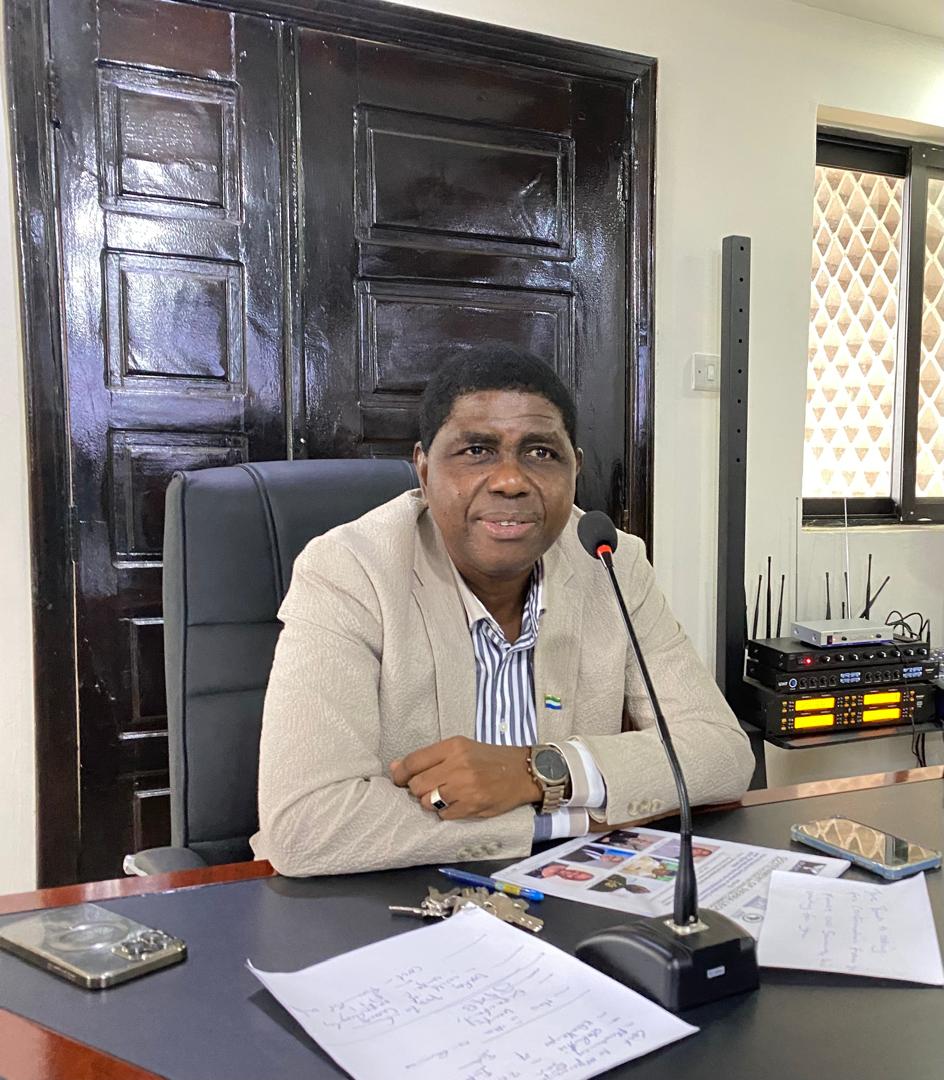
Responding to the concerns, Hon. Benjamin Turay, Member of Parliament for Constituency 128 in the Western Urban District, rejected suggestions that he has neglected engagement with his constituents.
Hon. Turay, who is serving his second term and represents communities including Hill Station, Hill Town, Hill Court, Dwarzark, Congo Cross, Bambayela, and surrounding areas, said constituency engagement remains a central part of his work.
“Being a Member of Parliament is challenging because the constituency has close to 50,000 people with diverse needs and concerns,” he explained. “You must maintain relationships with people from different political backgrounds because they all look to you as their representative.”
The lawmaker highlighted several development projects he has supported over the years, including the establishment of the Hill Station Market, the youth car wash initiative, and advocacy that led to government intervention in the reconstruction of the Hill Station Bridge.

Regarding legislative engagement, Hon. Turay maintained that informing citizens about laws and collecting public opinions on proposed legislation are among the key responsibilities of an MP.
He said he had consulted constituents during discussions on the abolition of the death penalty, the Gender Equality and Women’s Empowerment Act, and the Child Rights Act, among other legislative matters.
“I have engaged both stakeholders and ordinary community members whenever critical bills are being considered,” he said. “When a law is likely to affect the community or the country significantly, I always seek the views of the people and take those views back to Parliament.”
Hon. Turay added that consultations are often conducted before major parliamentary debates and insisted that he continues to maintain regular contact with residents through community visits and media appearances.
The differing accounts highlight a broader conversation about representation and accountability in Sierra Leone’s democratic system. While development projects remain visible indicators of an MP’s performance, many citizens increasingly expect regular communication about legislation, government policies, and parliamentary proceedings.
Although Sierra Leone’s 1991 Constitution does not explicitly require Members of Parliament to report back to their constituents, legal analysts argue that such responsibility is inherent in the representative role entrusted to elected officials. The Constitution’s commitment to ensuring citizen participation in governance reinforces expectations that MPs should maintain open channels of communication with the people they serve.
As communities across the country seek greater involvement in decision-making processes, the experiences of residents in Hill Station underscore the growing importance of civic engagement, transparency, and continuous dialogue between elected representatives and the citizens whose interests they are mandated to represent.