


SLPP’s New Chapter: Sir Jimmy Batilo Songa and the Road to 2028

By Edward Dictionary Caulker
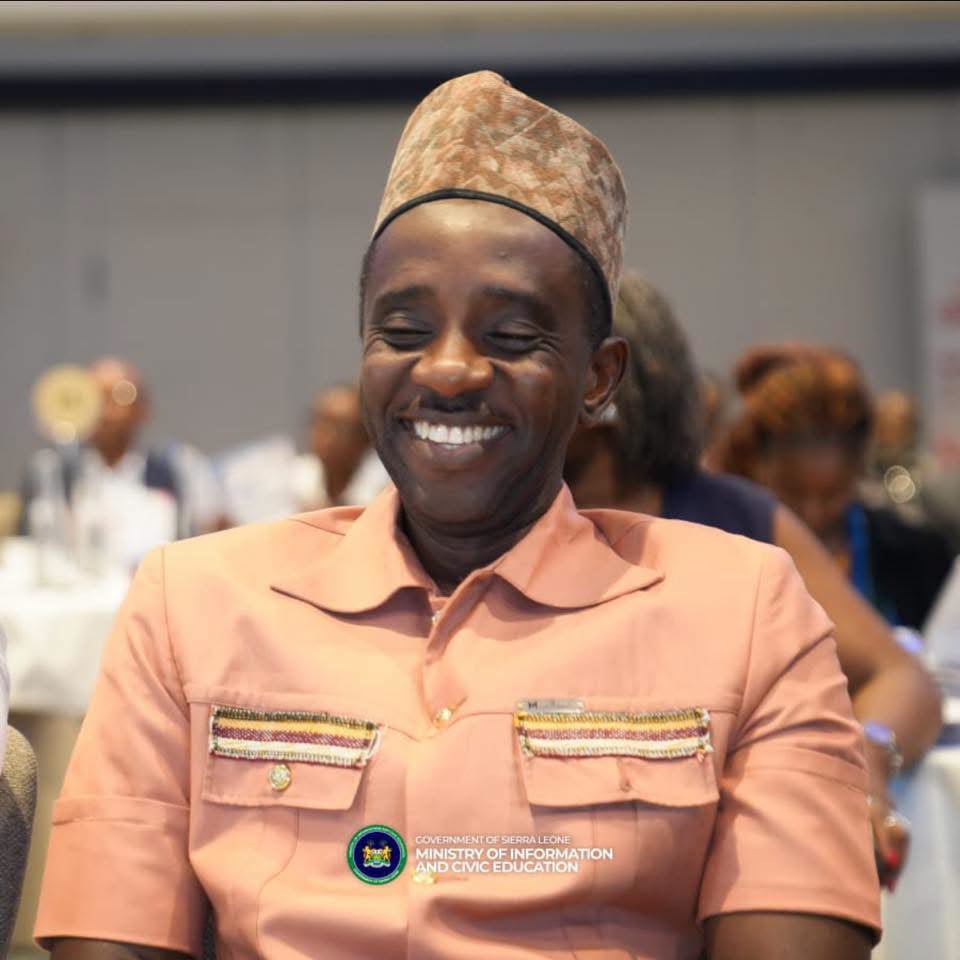
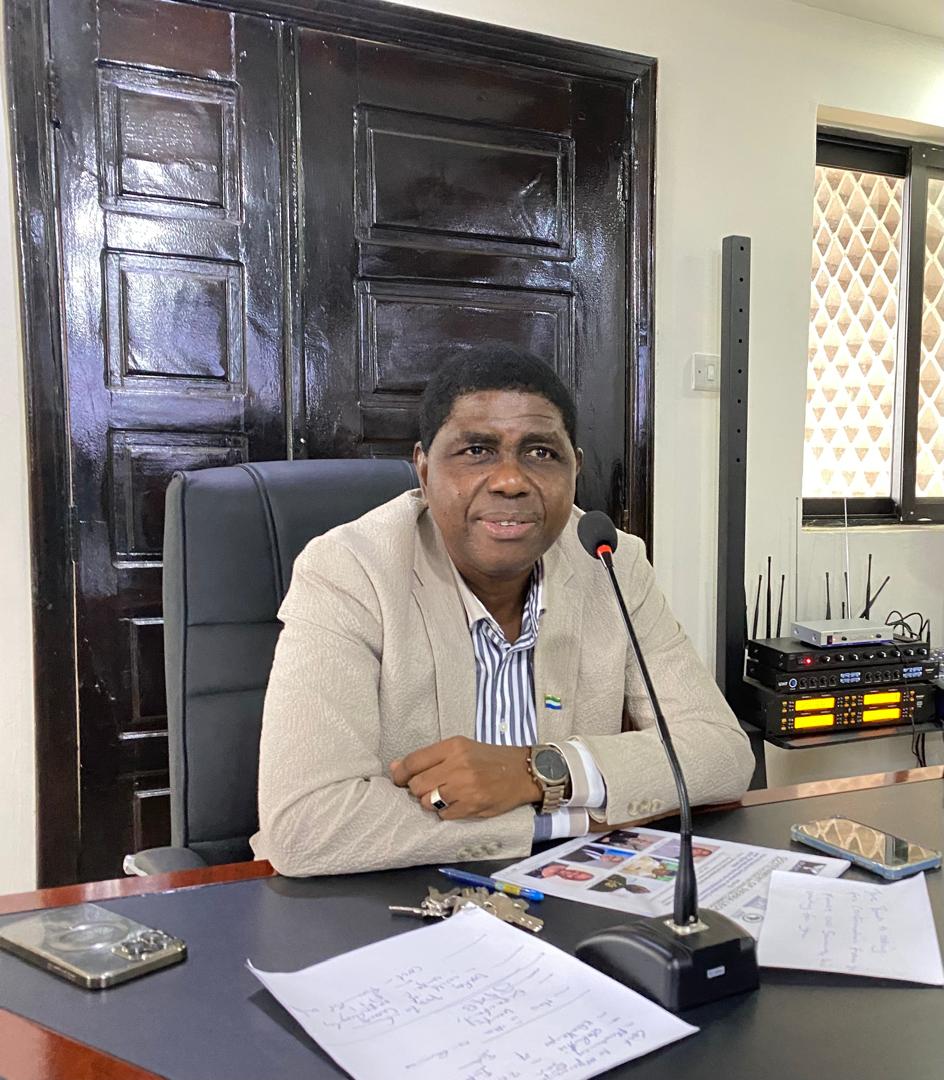
A new political season has quietly dawned within the Sierra Leone People’s Party (SLPP). On Saturday, Sir Jimmy Batilo Songa officially took over as National Chairman of the ruling party, succeeding Dr. Prince Alex Harding, a veteran strategist who for years served as both guardian and gatekeeper of the party’s internal machinery.
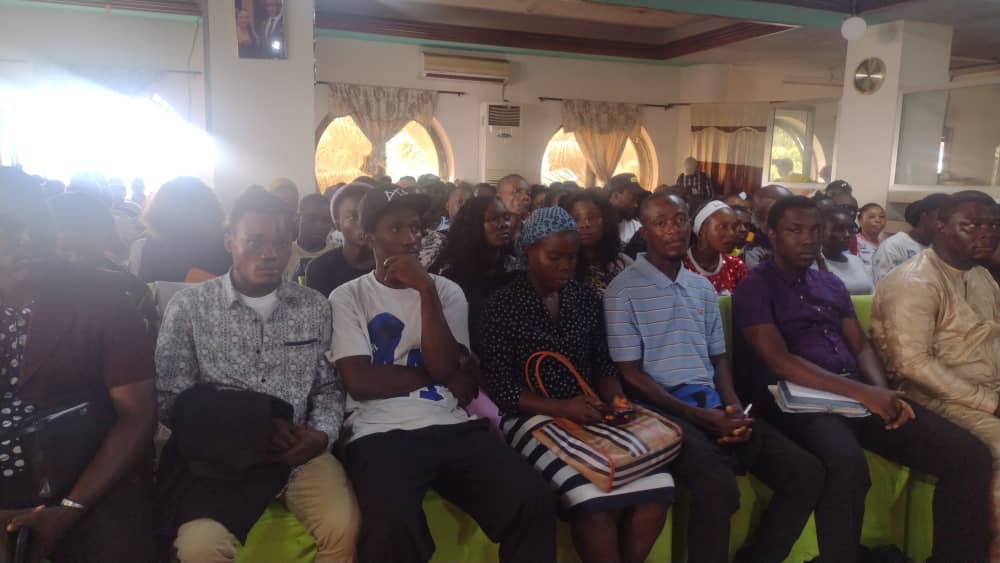
The ceremony, held at the SLPP headquarters on 15 Wallace Johnson Street, was more than a formal handover it was a political statement. It symbolized renewal, a generational shift, and perhaps the beginning of the SLPP’s long game toward 2028.
Dr. Prince Alex Harding’s tenure was defined by stability and strategy. Under his watch, the SLPP weathered internal storms, reclaimed State House in 2018, and defended its incumbency in 2023 amid a complex electoral climate.
Now, as Sir Jimmy Batilo Songa steps in, the party finds itself at a crossroads navigating the twin challenges of governance fatigue and political renewal.
A political scientist by training and a grassroots mobilizer by instinct, Sir Jimmy inherits a party that must reconcile its development promises with public expectations, while also preparing to defend its record before an increasingly restless electorate.
In his acceptance speech, Sir Jimmy’s tone was both humble and strategic.
“I have resigned my government post to focus completely on the work ahead. My priorities will be to strengthen our party institutions, unite members around a shared programme, and set a clear course for effective, people-centred leadership. I invite every member and supporter to join me in this national effort,” Songa stressed.
My leadership will remain people-focused, united, and victory-driven,” he declared, pledging to consolidate the gains of his predecessors while sustaining the SLPP’s governance and development agenda”.
His words struck a chord with party loyalists but also raised the stakes because consolidation in politics often means balancing loyalty with reform, and unity with accountability.
The new executive is being described as vibrant, youthful, and visionary, signaling an attempt to modernize the party’s structure. Observers say it is part of a broader strategy to reconnect with the base, rebuild public trust, and reshape the SLPP’s image beyond traditional strongholds.
Donations from influential figures such as Rt. Hon. Mohamed Sidi Tunis (Le 2,000,000) and Hon. Dr. Kandeh Kolleh Yumkella (Le 1,000,000) reflected a rare moment of internal cohesion — a signal that key power blocs within the party are aligning, at least for now.
Yet, beneath the celebrations lies an unspoken truth: unity at the top does not always translate to satisfaction at the grassroots.
As quoted in August 2025 after he won the Chairmanship position at the SLPP National Delegate Conference, Jimmy said,
“I am here to support and continue the legacy of the best president our country has ever had, President Julius Maada Bio. I am committed to doing everything possible to keep our party in governance by winning the 2028 elections.”
For the All People’s Congress (APC), the SLPP’s new leadership offers both an opportunity and a warning. The opportunity lies in exploiting the SLPP’s inevitable adjustment period; the warning lies in underestimating a party that has historically shown resilience in regrouping before elections.
2028 may still be three years away, but political chess pieces are already moving. The APC, recovering from its internal wrangles, will likely scrutinize how Sir Jimmy manages dissent within his ranks, how he interprets the “Bio legacy,” and whether the SLPP can maintain cohesion without the unifying pressure of opposition politics.
Analysts suggest that the real test for the ruling party will not be in speeches or ceremonies, but in policy delivery whether ordinary citizens feel the impact of its promises in their daily lives.
Away from the rhetoric of headquarters politics, the average Sierra Leonean measures governance differently through the price of rice, access to jobs, healthcare, and education.
For citizens, this leadership transition within the SLPP is not just an internal matter; it is a mirror reflecting the state of national politics. The question many are asking is not who chairs the SLPP, but how that leadership translates into better living conditions.
As one civil society observer remarked during the event, “Political change within ruling parties is only meaningful when it improves the lives of those outside the party.”
The emergence of Sir Jimmy Batilo Songa places the SLPP at a critical political junction. The coming years will test whether the ruling party can sustain governance credibility, renew public confidence, and navigate generational politics in a rapidly changing social landscape.
For the opposition, it’s a reminder that the ruling party is not idle; for the citizenry, it’s a cue to hold leaders accountable beyond the green and red divide.
With economic pressures rising, youth unemployment persisting, and public trust thinning, Sierra Leone’s 2028 elections may not just be about party loyalty but about performance, pragmatism, and proof.
If Sir Jimmy’s “new dawn” is to mean anything, it must go beyond symbolism and sentiment. It must represent a renewed contract with the people one grounded in results, not rhetoric.
As songs of unity filled the air at 15 Wallace Johnson Street, one could not ignore the deeper resonance of the day: the SLPP, like Sierra Leone itself, stands between continuity and change.
Sir Jimmy Batilo Songa’s leadership offers a fresh chapter but whether it becomes a story of transformation or transition will depend not just on party discipline, but on the delivery of real development to real people.
For now, the nation watches citizens with expectation, the opposition with calculation, and history with a quiet pen waiting to write the verdict.