
Students Eco-Tourism Sierra Leone, Momoh Centre Hold Seminar on Culture, Conservation, and Reparative Justice
By Sorie Sesay
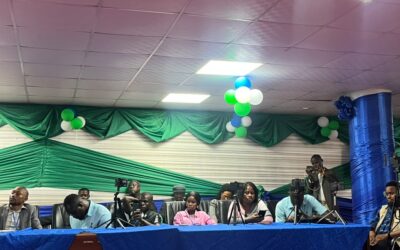
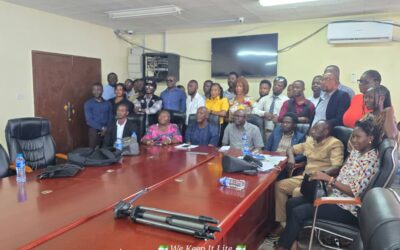
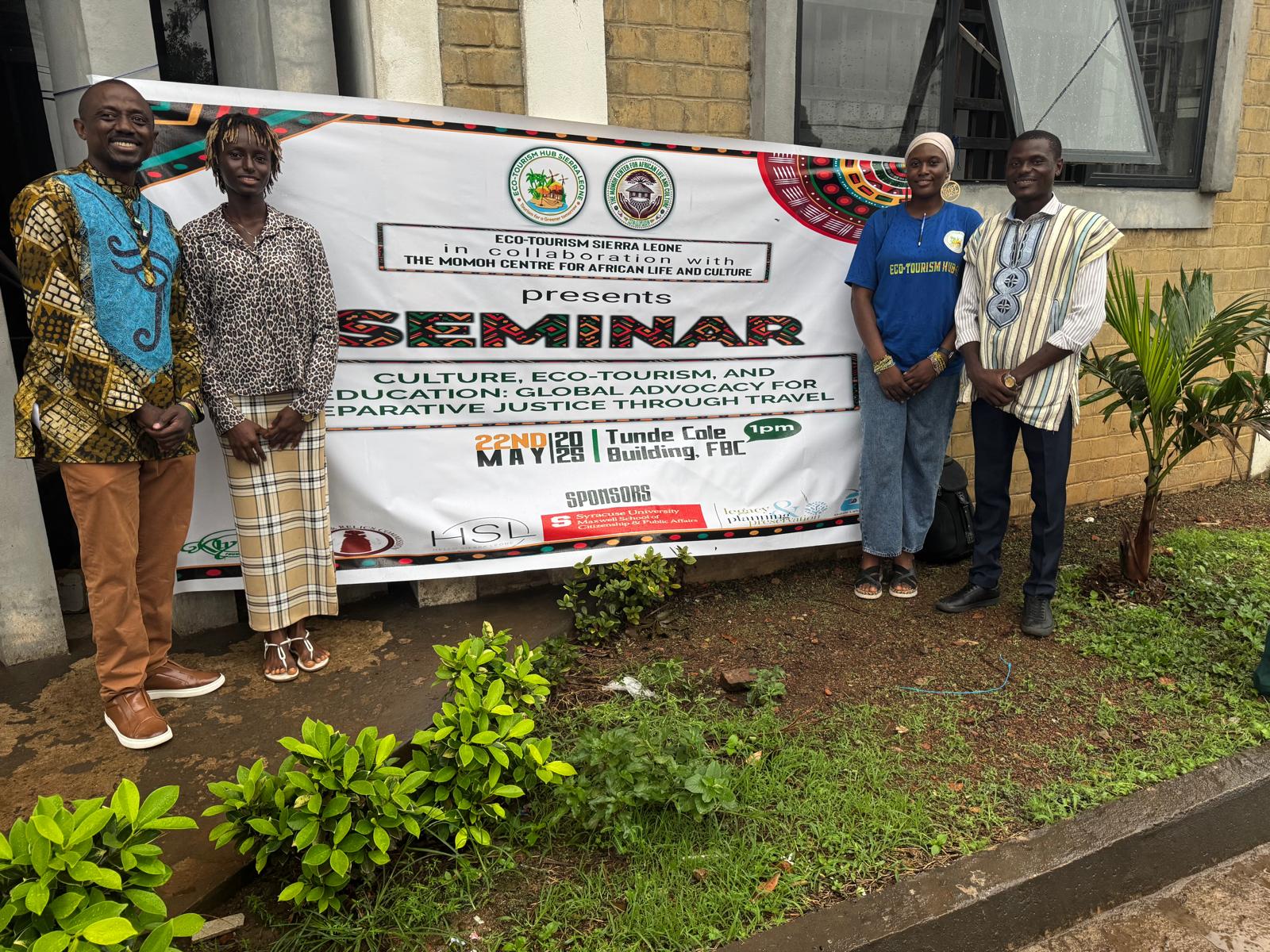
Students Eco-Tourism Sierra Leone, in partnership with the Momoh Centre for African Life and Culture, held a one-day seminar on Wednesday at the Tunde Cole Building, Fourah Bay College, to highlight the role of eco-tourism in cultural preservation, environmental sustainability, and global advocacy for reparative justice.
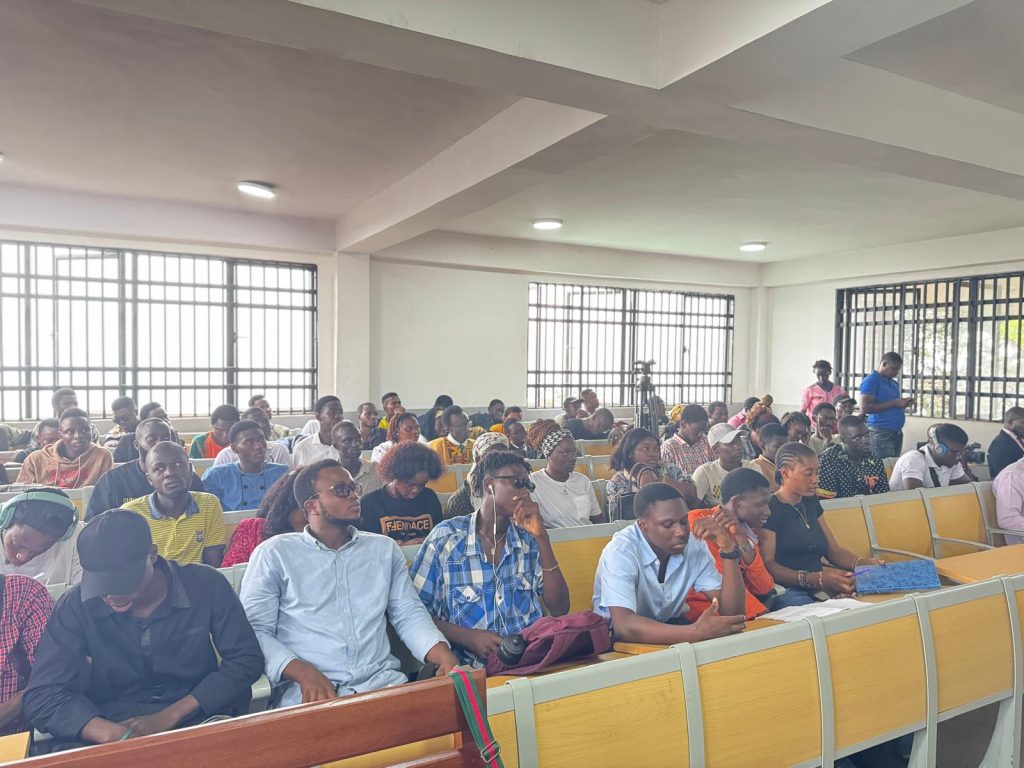
The event brought together students, environmentalists, cultural scholars, and government representatives under the theme of integrating education, eco-tourism, and cultural awareness. It emphasized the need for a holistic approach to tourism that respects local communities and addresses historical injustices.
Speaking at the seminar, Francis Musa Momoh, founder of the Momoh Centre for African Life and Culture, described the initiative as a platform for youth engagement and knowledge exchange. “This is an important cultural exchange program,” Momoh said. “It allows young people across Africa to learn from experts and apply that knowledge to their own experiences, fostering cultural dialogue and personal growth.”
Momoh underscored the importance of May as a symbolic month for Africans, reflecting on the continent’s historical decolonization movements. “Decolonization is a critical issue tied to the legacies of colonization and the enslavement of African people,” he said. “We are using this platform to raise global awareness and promote justice for the historical injustices our people have endured.”
Hassan Hindolo Senesie, founder of Students Eco-Tourism Sierra Leone, highlighted the seminar’s goal of linking culture, education, and environmental awareness. “Eco-tourism is not just about travel — it’s about learning to respect local customs, communities, and the environment,” Senesie stated. He noted that eco-tourism supports climate action through afforestation and the promotion of environmentally conscious travel practices.
In a keynote address, Robert M. Hilton-Leigh, Assistant Director of Tourism, praised the student-led initiative and reaffirmed the Ministry of Tourism and Cultural Affairs’ commitment to promoting eco-tourism. “With young people comprising 70 percent of our population, it is inspiring to see them lead in shaping the future of Sierra Leone,” he said.
Hilton-Leigh outlined the ministry’s strategy to position Sierra Leone as a leading eco-tourism destination, citing its natural attractions, including 5,500 West African chimpanzees—the largest population of the species—alongside 2,090 plant species, 147 mammals, and over 170 bird species. “Eco-tourism is a key pillar in our drive for sustainable development and climate action,” he added.
He also stressed the importance of cultural preservation in nation-building. “Culture is at the heart of our identity. Through partnerships with the private sector, we aim to showcase Sierra Leone’s creativity, from fashion and food to music and drama,” Hilton-Leigh said.
The seminar concluded with a call for continued collaboration between government, academia, and youth organizations to promote responsible tourism and cultural empowerment.