
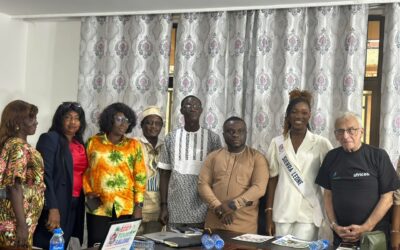
The Boyz Boyz Show: Redefining Manhood in a Changing Society

By Edward Dictionary Caulker
Producer, The Boyz Boyz Show — SLIK TV
“This is my dream show, and I am so happy to be here today. As men, we rarely have platforms to agree or disagree openly, and this space truly provides an opportunity for men’s empowerment.”
— Delvid Stanley-Coker, Social Media Commentator
In an age where conversations about gender often tilt toward one side, The Boyz Boyz Show on SLIK TV dares to break the mold. It gives men a voice — not to dominate, but to dialogue; not to silence others, but to understand themselves in a rapidly changing world.
Across homes, workplaces, and social circles, men today face silent battles — unemployment, emotional repression, relationship pressures, and an identity crisis born from shifting expectations. Society demands that men “be strong,” yet rarely gives them the space to be vulnerable.
That’s where The Boyz Boyz Show steps in as a mirror reflecting the raw, unfiltered realities of modern manhood. Far from being a “men versus women” platform, it’s a safe space where uncomfortable truths are confronted and lessons about accountability, growth, and emotional balance are shared.
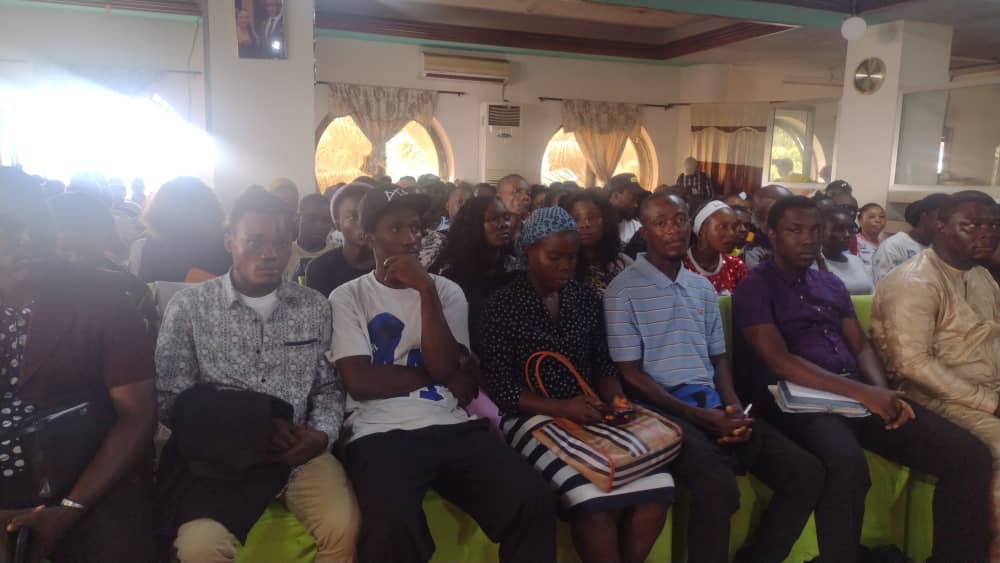
Each episode brings together a diverse panel from youth leaders and entertainers to pastors and social commentators tackling themes such as masculinity, fatherhood, relationships, finances, and purpose.
During a recent episode, Tamba Mattia, a youth leader, made a statement that sparked both applause and debate:
“I am not a misogynist, male chauvinist, sexist, anti-feminist, or incel. Neither do I identify as a Men’s Rights Activist.
What I stand for is patriarchy in the traditional and religious sense — the belief that a man should lead his household with responsibility, love, and moral clarity.”
Mattia’s words captured a broader societal tension between tradition and modernity. In today’s discourse, patriarchy is often equated with oppression, yet for some, it symbolizes structure and stewardship. On Boyz Boyz, this distinction is openly examined, sparking reflection rather than ridicule.
Like many African societies, Sierra Leone is caught between preserving cultural identity and embracing global ideals of gender equality. Men are expected to provide, yet economic hardship limits their means. They’re told to lead but criticized when they assert authority. They’re encouraged to open up, yet mocked when they show emotion.
The Boyz Boyz Show doesn’t claim to have all the answers instead, it asks the right questions:
- What does it mean to be a good man in today’s world?
- Are men still respected in their homes and communities?
- How do we raise boys who are responsible, empathetic, and strong?
- Can modern equality coexist with traditional leadership?
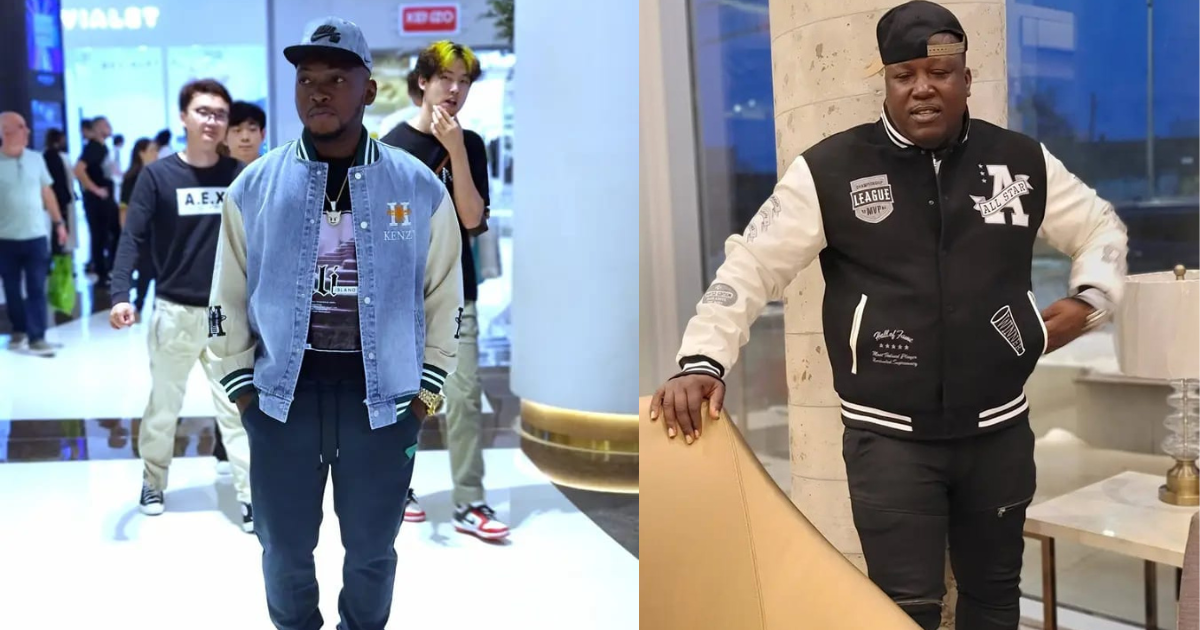
What makes Boyz Boyz stand out is its tone. The discussions are raw yet respectful, bold yet thoughtful. Host Slim PeeZee skilfully moderates these sometimes fiery conversations with humour, insight, and balance — allowing both conservative and progressive views to breathe.
In a social media era that thrives on outrage, Boyz Boyz brings calm reflection. It’s not just television — it’s therapy in conversation form. For men, it’s a sanctuary. For women, it’s a window into how men think, struggle, and hope.
As one viewer aptly commented online:
“We have watched women empower themselves for years — now it’s time for men to heal too.”
And that, truly, is the spirit of the show: healing, not hostility.
From mental health and emotional awareness to responsible fatherhood and community leadership, The Boyz Boyz Show is evolving into a movement — one that promotes brotherhood, awareness, and accountability.
In Sierra Leone’s changing social landscape, the show serves as a gentle reminder: progress should not erase identity. True empowerment thrives when both men and women understand their roles, respect their differences, and collaborate for a stronger society.
So, to every man watching — this show is your mirror.
To every boy growing up — this show is your classroom.
And to every woman curious about the male perspective — this show is your invitation to listen.
Because understanding men does not weaken equality — it strengthens humanity.