
Thomas Daddy Brima Clocks Four Years In Office As SLFA President: A Journey Of Change, Challenges & Commitment

By Reginald Brian Ojukutu Sawyerr
Today marks a significant milestone in the annals of Sierra Leonean football, as Thomas Daddy Brima commemorates four transformative years at the helm of the Sierra Leone Football Association (SLFA). Since taking office on June 5, 2021, Brima’s presidency has been defined by bold reform, structural renewal, and a drive to unify a fractured football ecosystem.
A Country in Crisis, A Sport in Turmoil
When Brima assumed office, the state of football in Sierra Leone was nothing short of dire. Years of internal wrangling, suspended leagues, financial mismanagement, and governance gridlock had all but paralyzed the sport. The SLFA was riddled with lawsuits, factionalism, and public disillusionment. Confidence in the leadership of football was at an all-time low, and the national team, Leone Stars, struggled to make its mark on the international stage.
Yet, in the face of these daunting odds, Brima’s ascension brought a breath of fresh air. His campaign had promised unity, reform, and a “football-first” agenda. Four years on, many of those promises have begun to take root.
Laying the Foundation: Reconciliation and Governance
One of Brima’s earliest—and arguably most difficult—a task was to bring stability and credibility back to the SLFA. His administration prioritized reconciliation, inviting disenchanted stakeholders back to the fold and restoring democratic processes within the association.
The successful organization of the 2021 Elective Congress in Makeni was a symbolic and strategic win. After years of litigation and political infighting, the peaceful conduct of this congress signalled the return of institutional order, a critical first step toward rebuilding.
The AFCON Miracle and Renewed National Pride
Among the crowning moments of Brima’s early tenure was Sierra Leone’s qualification to the 2021 Africa Cup of Nations (AFCON) in Cameroon. Although the campaign began before his presidency, the victory and subsequent participation fell under his watch and catalysed renewed national interest in football.
Leone Stars’ spirited performance, including a heroic draw against reigning champions Algeria, electrified the nation and reawakened the dreams of a new footballing era. It was a moment that proved what Sierra Leonean football could achieve when adequately supported.
Investing in the Future: Grassroots & Youth Development
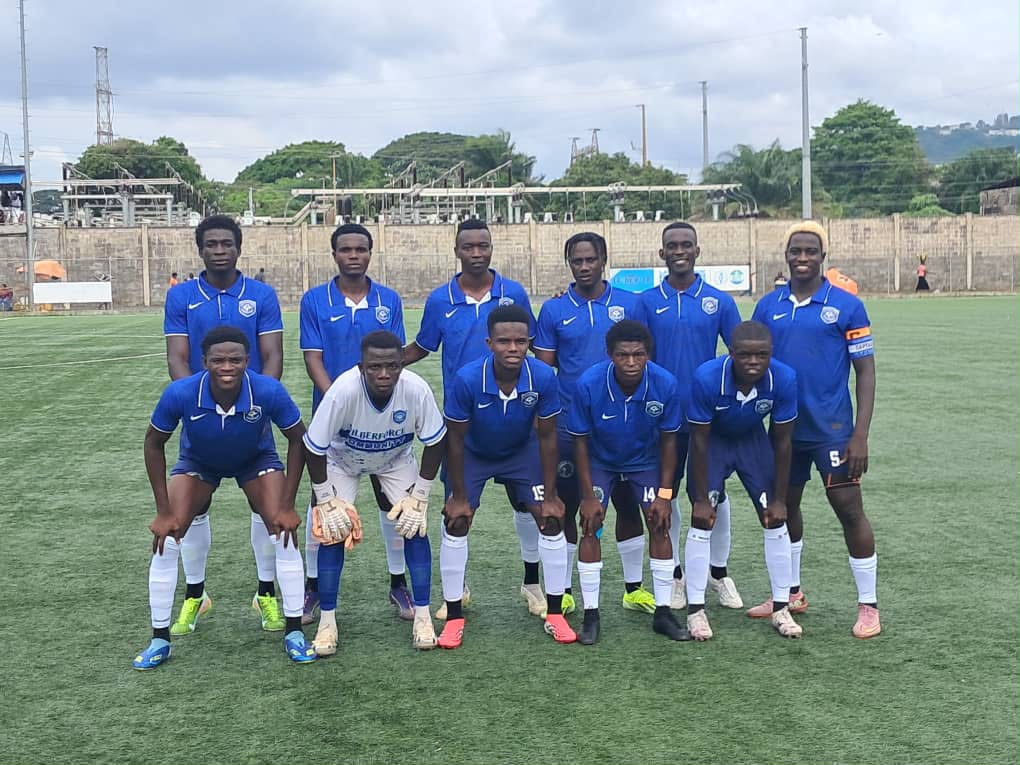
Recognizing that sustainable progress requires investment at the grassroots, Brima has poured considerable energy into youth development. The SLFA under his leadership has revitalized regional competitions, school tournaments, and youth academies. Talent identification programs and coaching clinics have been rolled out across the country.
In collaboration with FIFA and CAF, the SLFA has organized coaching education courses, referee training, and capacity-building workshops, all aimed at raising the technical standards of the game in Sierra Leone.
Building the Backbone: Infrastructure and Strategic Partnerships
Infrastructure has been a key pillar of Brima’s agenda. Through strategic collaborations with FIFA’s Forward Programme and support from CAF, several stadiums across the country have seen long-overdue upgrades. Training pitches, regional football centers, and administrative facilities are either completed or under construction.
Additionally, Brima has actively sought international partnerships. Engagements with global football bodies, European clubs, and African federations have opened doors for Sierra Leonean players and coaches, giving them access to modern footballing tools and techniques.
His support for the Premier League Board and domestic clubs has also helped revive the local game. Clubs are now receiving modest financial subventions, logistical backing, and improved coordination—albeit still far from optimal.
Weathering the Storm: The Challenges of Reform
While Brima’s achievements are commendable, the road has not been smooth. His presidency has been tested by:
- Financial constraints, including inconsistent government subventions and limited sponsorship deals.
- Delays in domestic league calendars, often due to logistical setbacks and club disagreements.
- Internal criticisms, especially from factions resistant to reform or unhappy with the pace of change.
- Fan impatience, as supporters grow eager for