



WoME-SL Calls for Digital Freedoms in Sierra Leone

By: Alpha Umar Bah
Women on Mining and Extractives Sierra Leone (WoME-SL), with support from CIVICUS, organized a Town Hall Dialogue on the Cyber Security and Crime Act 2021 on 23 June 2026 under the theme, “Strengthening Civic Space and Digital Freedoms in Sierra Leone.” The engagement was held at the CCSL Conference Hall, Brookfields, Freetown.
Present at the dialogue were stakeholders from government institutions, security agencies, civil society organizations, academia, the media, and the communications sector have called for greater public awareness and responsible online behaviour. The dialogue focused on digital rights and brought together stakeholders to discuss the impact of cybersecurity legislation on civic space, freedom of expression, and digital freedoms in Sierra Leone.
Speaking during the session, Engineer Joe Njai of the National Cyber Security Unit under the Ministry of Communication, Technology and Innovation explained that the Act was developed through extensive consultations with relevant stakeholders to promote a safer digital environment.
He noted that while citizens enjoy rights in the digital space, those rights must be exercised responsibly. According to him, offences such as cyberbullying, cyberstalking, online fraud, and the dissemination of harmful content undermine the safety of online users. He further clarified that penalties under the law can only be imposed through due legal process by a competent court.
The Supervisor of Cybercrime Investigations at the Sierra Leone Police Cyber Security and Crime Unit, Kabba Levelie highlighted the role of the legislation in strengthening cybercrime investigations through the recognition of electronic evidence. He noted that offences including identity theft, online fraud, cyberbullying, and revenge pornography are now prosecutable under the law. He further stated that the Act aligns with international standards and stressed that journalists carrying out legitimate professional duties should not be viewed as cybercriminals.
Mr. Musa Jalloh, Deputy Director of Regulatory Administration at the National Communications Authority (NatCA), emphasized that the law was introduced to address emerging digital threats while protecting users and promoting responsible communication. He noted that citizens enjoy digital rights such as freedom of expression, privacy, and access to information, but cautioned that these rights must be exercised within the bounds of the law.
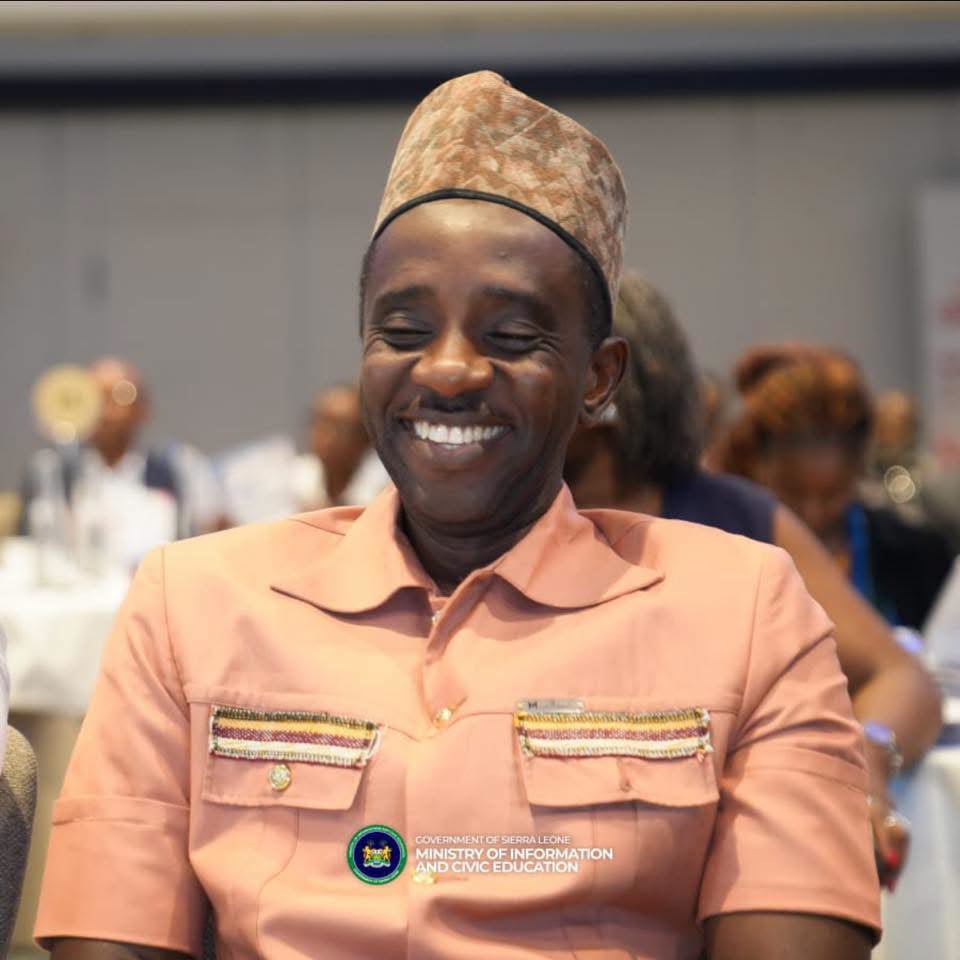
Representing the Ministry of Information and Civic Education, Timothy Sam underscored the importance of digital literacy and civic education, stressing that responsible citizenship applies both offline and online. He also highlighted ongoing efforts to advance the Data Protection and Privacy Bill to strengthen Sierra Leone’s digital governance framework.
Country Director of Christian Aid Sierra Leone, Mr. Kamia, called for continuous public engagement, periodic legal review, and broader public education, particularly through radio programmes and local-language outreach to reach non-literate communities.
The dialogue provided a platform for participants to discuss the impact of the Cyber Security and Crime Act 2021 on civic engagement, freedom of expression, digital rights, and online safety, while exploring opportunities for reform and greater public understanding of the law.
The dialogue concluded with presentations, questions-and-answer sessions, and interactive discussions on key provisions of the Act, particularly Section 44.
Climaxing, participants shared recommendations on areas requiring review while experts provided guidance on best practices for responsible online conduct, while stakeholders agreed on the need for continued public engagement, digital literacy, and collaborative efforts to ensure that cybersecurity measures protect both online safety and fundamental freedoms in Sierra Leone.