HRCSL Moves to Expand Human Rights Education Through New International Partnership

By: James Kamara-Manneh
The Human Rights Commission of Sierra Leone (HRCSL) ON 23rd June, 2026 begun discussions with an international human rights education organization aimed at expanding human rights awareness in schools and communities across the country.
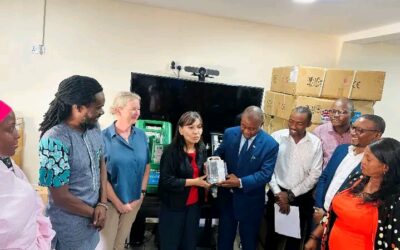
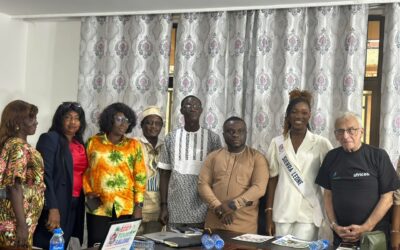
The engagement, held in Freetown on Monday, brought together officials of HRCSL, representatives of the Geneva Office for Human Rights Education (GOHRE), and the Church of Jesus Christ of Latter-day Saints to explore collaboration on human rights education initiatives targeting children and young people.
Speaking during the meeting, HRCSL Deputy Executive Secretary Frederick Ibrahim Kamara said promoting human rights education remains a central part of the Commission’s mandate under the Human Rights Commission Act of 2004.
Kamara said the Commission has already established more than 80 Human Rights and Peace Clubs in secondary schools across Freetown and the provinces to educate students about their rights and responsibilities while encouraging peaceful coexistence.
“We see human rights education as a critical tool for building a culture of respect, tolerance, and accountability among young people,” Kamara said.
The discussions come as concerns continue to grow over child protection, gender equality, climate change, and access to justice, issues that stakeholders say require greater public awareness and education.
Jim Hess, Regional Director for West Africa at GOHRE, outlined the organization’s global human rights education programme, which is based on the principles of the Universal Declaration of Human Rights.
According to Hess, the programme provides curricula for primary and secondary schools and trains teachers to integrate human rights concepts into classroom learning.
He said the initiative has reached more than one million students and trained approximately 25,000 teachers in Ghana over the past four years.
“Our goal is to ensure that young people understand their rights, become advocates for the rights of others, and contribute to building societies where human dignity is respected,” Hess said.
The meeting also focused on extending human rights education beyond formal classrooms to reach vulnerable groups, including street-connected children and out-of-school youths.
HRCSL Director for Gender and Children’s Affairs, Ann Marie Balboa, stressed the need for community-based approaches, noting that many children remain outside the formal education system and risk being excluded from learning about their rights and legal protections.
Officials from both institutions agreed that strengthening human rights education could play a key role in addressing emerging social challenges and empowering citizens to demand accountability.
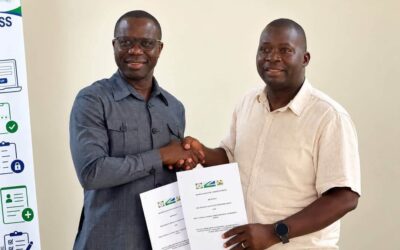
The meeting ended with a commitment by both sides to deepen cooperation through the development of a Memorandum of Understanding that would formalize future collaboration on human rights education programmes in Sierra Leone.
The proposed partnership, if finalized, could significantly expand the reach of human rights education efforts at a time when policymakers and rights advocates are increasingly emphasizing civic awareness as a foundation for democratic governance and social inclusion.