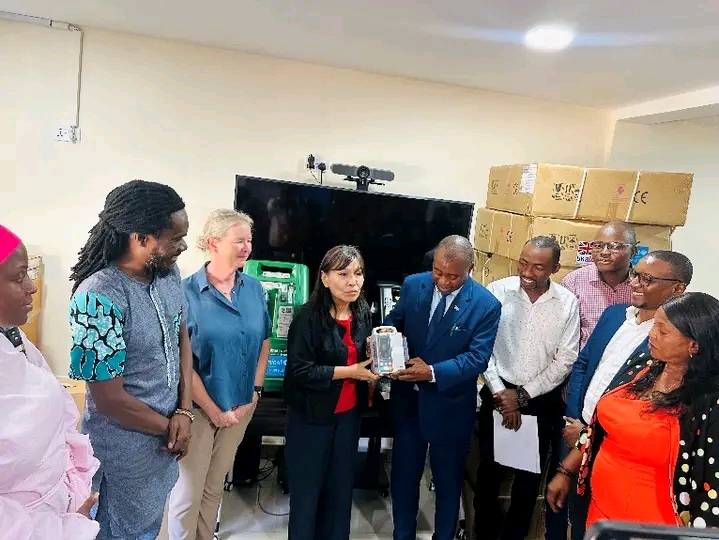






Paediatric HIV Treatment and Challenges: Insights from Dr. O. M. Vincent

By Iris Aminata Bangura
At the Princess Christian Maternity Hospital, Dr. O. M. Vincent, a specialist paediatrician, provides critical insights into the complexities of treating HIV in children. He explains that while HIV can be transmitted from mother to child during birth, there are significant differences in how adults and children are treated for the virus.
“HIV treatment for adults varies from that of children because every child’s treatment is based on how the child’s body can break down the medication,” Dr. Vincent states. “Both treatments fall in the same category; however, the dosage differs as children’s medications are quite sensitive and unique.”
Dr. Vincent emphasizes that it is possible for a child to be exposed to HIV without becoming infected. “A mother infected with HIV can give birth to a child who is not infected with proper care and observation during and after birth,” he explains. Key preventive steps include ensuring the mother takes her prescribed medication to reduce the viral load, avoiding injury during birth, limiting examinations to prevent open wounds, and careful management of breastfeeding.
In cases where a child is exposed to HIV, Dr. Vincent explains that they administer basic anti-viral drugs for about six weeks while the baby is breastfeeding to prevent immune suppression. Following this, the child receives immunity-boosting drugs. Subsequent tests determine whether the child has become infected.
Dr. Vincent also addresses the advancements in HIV medication for children. “There have been anti-viral drugs that lower the viral load, but now the focus is on drugs that fight the virus specifically. These advancements are driven by the World Health Organization and contributions from the United States,” he notes. Medical practitioners evaluate these advancements before administering new dosages.
The challenges faced in treating children with HIV are significant. Dr. Vincent mentions that children depend on their mothers for the first ten years to administer their medication. Non-compliance by the mother can lead to the child becoming infected. As children enter their teenage years, they may question their constant medication, and if not adequately informed, they may stop taking it, which is dangerous given the lack of a cure for HIV.
Stigma remains a considerable issue for children living with HIV. “Children often struggle with protecting their status and may inadvertently disclose their condition, leading to stigma and social isolation,” Dr. Vincent explains. To combat this, the hospital provides counseling to help children navigate their surroundings and cope with their condition.
In conclusion, Dr. Vincent underscores the importance of adherence to prescribed medication to live a long and healthy life with HIV. He continues to advocate for better education and support systems to help children and their families manage the challenges of living with HIV.