
Tripartite Committee Faces 86 Issues

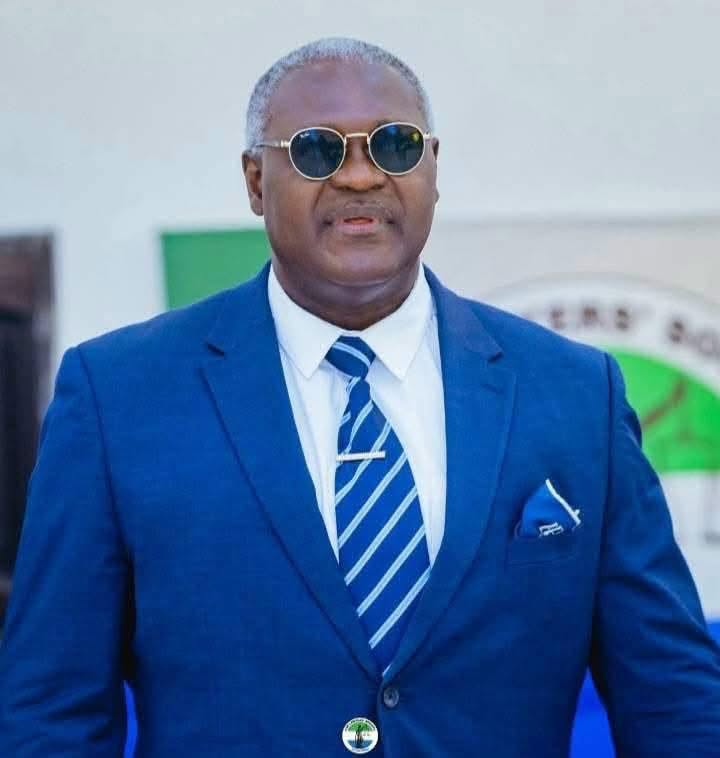
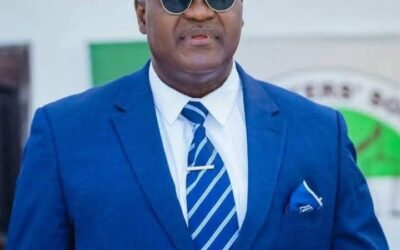
Sierra Leone’s Chief Minister David Moinina Sengeh disclosed that the Tripartite committee has identified 86 issues and reached consensus on 169 recommendations. This announcement followed his participation alongside APC Leader Dr. Samura Kamara in an expanded meeting of the Tripartite Committee on June 18, 2024, just a day before the initial six-month mandate was set to conclude.
Established in the aftermath of Sierra Leone’s contested 2023 elections, the Tripartite Committee was tasked with scrutinizing election outcomes, certification procedures, observer assessments, and the implementation of the Public Elections Act of 2022. Originating from a joint communiqué signed in October of the previous year between the ruling Sierra Leone People’s Party (SLPP) and the principal opposition, All People’s Congress (APC), its formation was facilitated by mediation efforts from international entities such as the Commonwealth, African Union, and ECOWAS. Notably, the U.S. government allocated $1.5 million to bolster the committee’s operational capacities.
Despite these international efforts, concerns have mounted within the public and journalistic spheres regarding the committee’s perceived lack of transparency and communication. The absence of media representation during its deliberations and the exclusion of the Sierra Leone Association of Journalists (SLAJ), initially expected to participate, have contributed to a dearth of real-time updates on the committee’s activities. Consequently, this opacity has fueled suspicions among the public, fostering perceptions of secrecy surrounding the committee’s proceedings.
In a significant development, on June 18, 2024, the APC declared its decision to resume active engagement in the Tripartite Committee, despite ongoing challenges and accusations of non-cooperation from the SLPP government and the Electoral Commission for Sierra Leone (ECSL). This decision underscores ongoing efforts to navigate obstacles and reaffirm commitment to the committee’s objectives amidst the complexities of Sierra Leone’s electoral landscape.