





Jury System Abolition: A New Era in Sierra Leonean Law

By: Fatima Muhammad
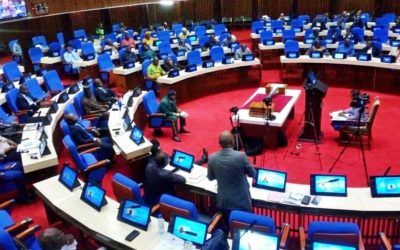
On July 5, 2024, the Sierra Leone Parliament passed a landmark legislation, the Criminal Procedure Act 2024, signaling the end of the jury system in the country’s criminal trials. This marks a pivotal shift in the nation’s judicial landscape.
Previously, juries, comprised of members of the public, held the authority to determine guilt or innocence based on courtroom evidence. With this change, decision-making power will predominantly reside with judges. Advocating for the reform, the Attorney General pointed out that Sierra Leone was an outlier within the African sub-region, aside from East Africa, in continuing to practice jury trials.
However, it’s important to note that neighboring Liberia maintains jury trials for offenses punishable by death or life imprisonment, enshrined in its constitution. During discussions in Parliament, arguments centered on enhancing the efficiency and impartiality of judicial proceedings. Critics of the jury system reform argue that it may diminish democratic representation in legal decisions.
In response to the reforms, Mr. Ibrahim Tommy, Executive Director of the Center for Accountability and Rule of Law, emphasized that while the jury system has its merits, its presence alone does not guarantee fairness, accessibility, or independence within the justice system. Supporters of the abolition highlighted that jury trials were mandatory only for cases carrying the death penalty, suggesting that their removal does not compromise the judicial process but rather streamlines it.
The abolition of the jury system in Sierra Leone marks a significant legal evolution, one that proponents argue will streamline judicial processes while critics fear may impact democratic ideals in legal decision-making.